Africa has good reasons to object to the European Union’s Carbon Border Adjustment Mechanism. The continent contributed little to the emissions that caused climate change, its industries are young, and a border charge set in Brussels can feel like a tax on development. South African officials have called the mechanism coercive and questioned whether it fits World Trade Organization rules.
But CBAM entered its paying phase in January 2026, and the EU has shown no sign of reversing course. Other markets are considering similar measures. The more useful question is how Africa competes in a world where the carbon content of goods has a price.
Africa’s hidden advantage
Much of the continent has abundant renewable energy. Kenya’s grid already runs mostly on geothermal, hydro and wind. Ethiopia exports hydropower to its neighbours. Morocco, Egypt and Namibia have world-class solar and wind resources. Products made with clean electricity carry less embedded carbon, and under CBAM that is worth money.
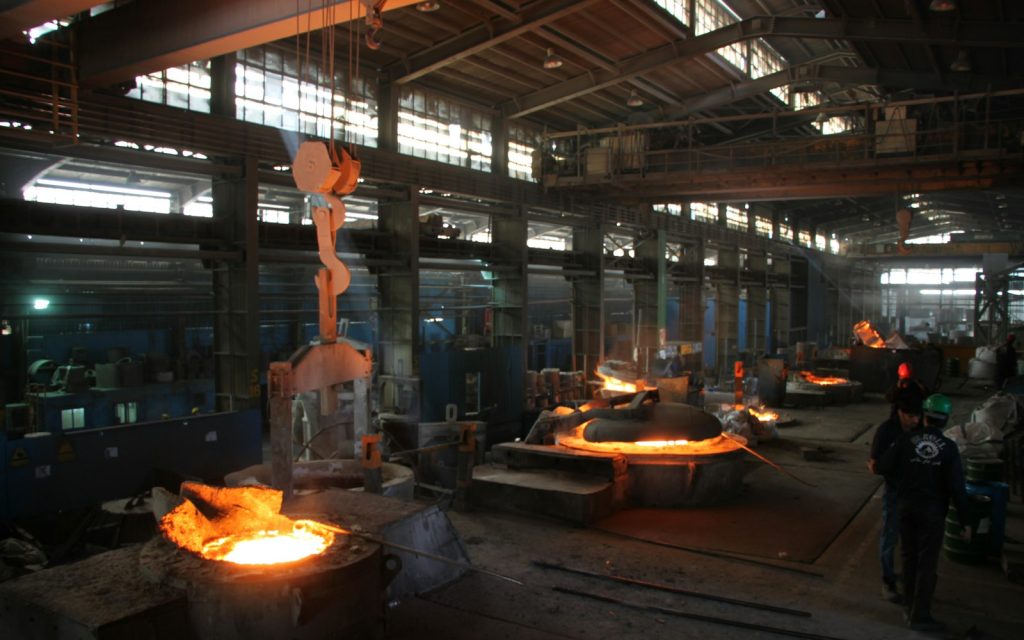
That is especially true for the sectors CBAM covers. Aluminium is mostly electricity. Fertiliser can be made with green hydrogen and ammonia. Steel can be produced with electric arc furnaces running on renewable power. Countries that can offer clean, reliable power to industry have something carbon-heavy exporters lack.
What governments should do
- Build measurement capacity. Exporters need verified, product-level emissions data. Without it, they are charged on default values that assume the worst.
- Let industry buy clean power. Wheeling rules, power purchase agreements and grid investment that let factories contract renewable electricity directly are now trade policy.
- Keep carbon revenue at home. Carbon prices paid domestically can reduce what exporters owe in Europe. A well-designed domestic price keeps that money in African treasuries rather than European ones.
- Use the African market. The African Continental Free Trade Area offers scale for green industrial zones that serve regional demand as well as exports.
- Negotiate, but from strength. Africa should press the EU to direct CBAM revenues toward decarbonisation in exporting countries, while showing it can meet the standard.
CBAM will not be the last carbon rule Africa’s exporters face. The countries that treat it as a reason to industrialise with clean power will be better placed for the next one.
Sources: Africa Practice: Africa’s challenge and opportunity under CBAM · Daily Maverick: Eskom’s carbon intensity and South African exporters