Africa’s clean cooking transition was finally gathering speed. The International Energy Agency’s Clean Cooking in Africa 2026 progress report estimates that about 15 million people in sub-Saharan Africa gained access to clean cooking in 2025, about 35% more than the average of the previous five years, and that the region was on course for its fastest expansion yet in 2026. Then the price of the most widely used clean fuel jumped.
The shock
Liquefied petroleum gas (LPG) is the main clean cooking fuel in many African cities. After the Strait of Hormuz was closed in March 2026, LPG import costs rose by about 90% in East Africa and 70% in West Africa, according to analysis reported by African Business in May. Only around 5% of sub-Saharan Africa’s LPG imports come directly from the Middle East, but the disruption repriced global supply. East African LPG users were estimated to be spending an extra 5% of their income on cooking.
Governments responded in different ways. Tanzania cut value-added tax on LPG imports; Côte d’Ivoire held cylinder prices steady. By May, the IEA had tracked 23 policy measures introduced in response to the clean cooking crisis linked to the closure.
Why it matters
More than a billion people in sub-Saharan Africa still lack access to clean cooking, and population growth has outpaced gains: the number without access rose by about 14 million in 2024. In Kenya, President William Ruto told an IEA meeting that only about 32% of the population cooks cleanly, leaving roughly 38 million people without access. The IEA estimates that household air pollution from cooking causes about 815,000 premature deaths a year in Africa.
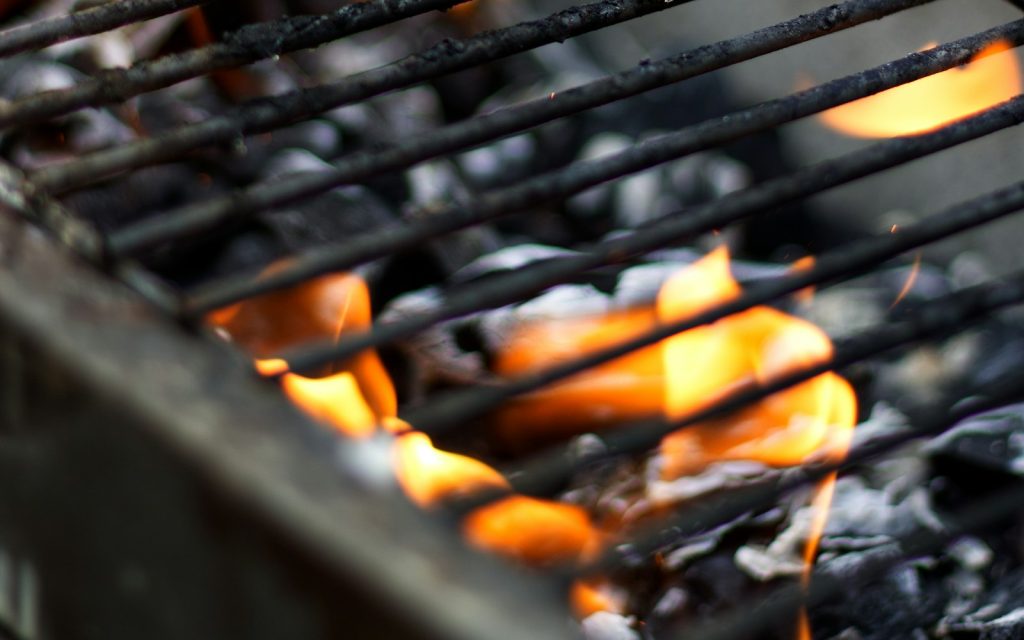
When LPG becomes unaffordable, households do not stop cooking. They return to charcoal and firewood, with consequences for health, for the time women and girls spend collecting fuel, and for forests.
Protecting the gains
- Targeted support for low-income LPG users during price spikes, rather than broad subsidies that mostly benefit better-off households.
- Diversified clean options, including electric cooking in countries with clean, reliable grids, bioethanol and improved biomass stoves.
- Storage and supply resilience for LPG, so that short disruptions do not become shortages.
- Finance that keeps flowing. Of the $2.2 billion pledged at the IEA’s 2024 clean cooking summit, about $740 million had been disbursed by mid-2026. Faster disbursement would help providers ride out the shock.
The IEA says universal access by 2040 is achievable if Africa replicates the best progress seen elsewhere. This year shows that the path depends on making clean cooking resilient to shocks, not only affordable in good times.
Sources: IEA: Clean Cooking in Africa 2026 · African Business: LPG prices spike as Strait of Hormuz remains closed · Mongabay: Clean cooking expands at record pace