For years, the case for renewable energy in Africa was made in the language of climate commitments and development finance. This year it was made by events. When Iran declared the Strait of Hormuz closed in March, after the escalation of war with the United States and Israel, a waterway that carried about a fifth of the world’s oil became a bottleneck for economies thousands of kilometres away.
A lesson in exposure
The International Energy Agency’s chief said the disruption removed about 11 million barrels a day from global supply, more than double the shortfalls of the 1970s oil crises. Africa receives little oil directly through the strait, but it pays global prices. Fuel prices more than doubled in Somalia. Kenya worried about fuel stocks covering only weeks of demand and drew on its stabilisation fund to cushion pump prices. LPG import costs, a key cooking fuel, rose by around 90% in East Africa.
Every dollar spent on imported fuel is a dollar of foreign exchange that cannot be spent elsewhere. Every price spike becomes inflation, transport fares and food costs.
Where renewables helped
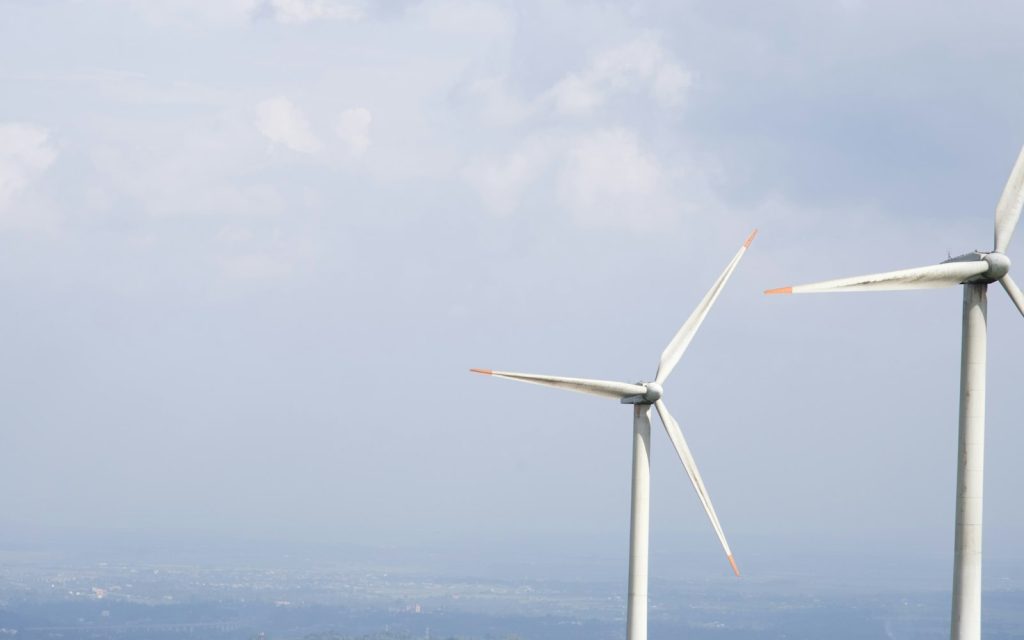
Kenya’s electricity system, which gets around 80% of its power from geothermal, hydro, wind and solar, was largely insulated. The shock hit transport and cooking, which still run on imported fuel. Meanwhile, Chinese solar exports hit a record in March as buyers in Africa and Asia moved to protect themselves, and businesses across the continent accelerated their switch from diesel generators to solar.
What energy security should mean now
- Electrify transport where it makes sense, starting with motorcycles, buses and fleets that run predictable routes and can charge on renewable power.
- Make electric cooking practical in countries with clean grids, reducing dependence on imported LPG.
- Invest in storage and grids so that solar and wind can supply power when it is needed, not only when the sun shines.
- Build regional interconnections, while recognising that imported electricity is also a dependency that needs managing.
- Develop local manufacturing, because importing 94% of solar panels from one country is its own form of exposure.
Renewables are not a magic shield. They require minerals, equipment and finance from global markets. But a solar panel, once installed, does not depend on a shipping lane. In a year when a single chokepoint shook African economies, that is the most persuasive climate argument the continent has.
Sources: The Standard: Oil shock looms · Ecofin Agency: Hormuz supply shock pushes up fuel prices across Africa · African Business: LPG prices spike as Strait of Hormuz remains closed · Mongabay: China solar exports hit record as Africa demand jumps