Electricity access has a mission, a target and a scoreboard. Mission 300, led by the World Bank and the African Development Bank, aims to connect 300 million Africans by 2030, has tens of billions of dollars in commitments and reports progress in millions of connections. Clean cooking, which affects even more people, has nothing comparable. That imbalance should end.
The scale of the problem
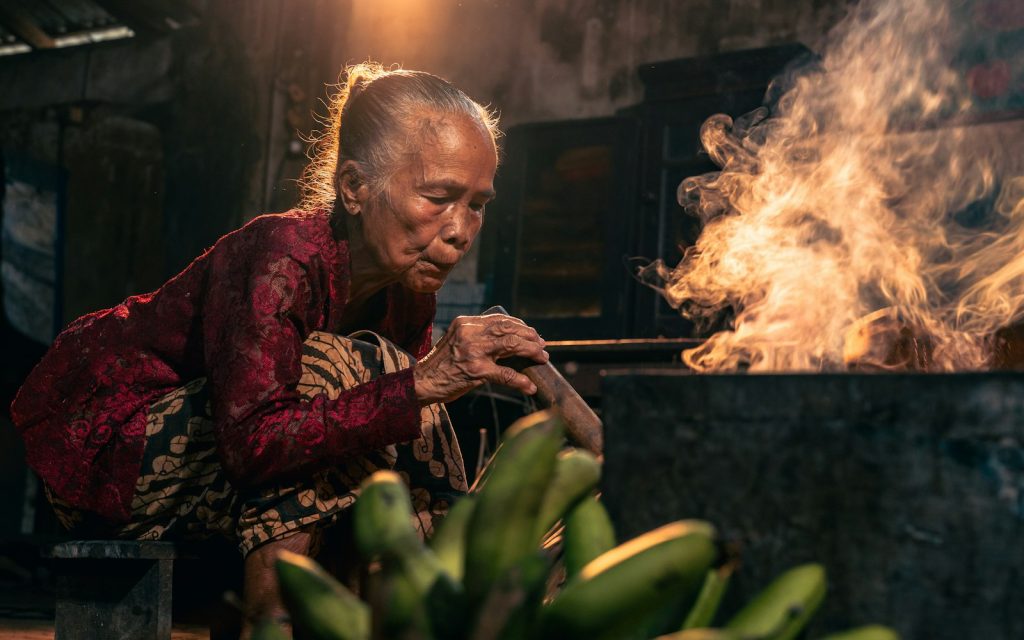
More than a billion people in sub-Saharan Africa still cook with wood, charcoal and other polluting fuels. The International Energy Agency estimates that household air pollution from cooking causes about 815,000 premature deaths a year in Africa, most of them women and young children. Collecting fuel consumes hours that could be spent in school or paid work, and charcoal demand drives forest loss around growing cities.
Progress is real but too slow. About 15 million people gained access to clean cooking in sub-Saharan Africa in 2025, a record. Yet population growth means the number without access is still rising. In Kenya, only about a third of people cook cleanly.
Why it gets less attention
Cooking happens in the home, mostly by women, and its harms are slow and spread out. A power line is visible; a cleaner stove is not. Electricity also has natural champions in utilities and developers. Cooking solutions are sold by fragmented small businesses dealing with thin margins and unpredictable fuel prices, as this year’s spike in LPG costs has shown.
What a cooking mission would look like
- National targets and tracking folded into the energy compacts countries have signed under Mission 300, so cooking is counted alongside connections.
- Electric cooking where the grid is clean. Countries such as Kenya, with largely renewable electricity, can pair new connections with efficient electric pressure cookers and tariffs that make them affordable.
- Stable LPG markets, with cylinder-recirculation rules, storage and targeted support for poorer households when prices spike.
- Results-based and carbon finance that pays providers for verified use, not just stoves sold.
- Tax policy that does not penalise clean fuels and appliances.
The IEA says Africa could reach universal clean cooking access by 2040 by replicating the fastest progress seen elsewhere. That is achievable. It requires the same political ownership that electricity now enjoys.
Sources: IEA: Clean Cooking in Africa 2026 · Mongabay: Clean cooking expands at record pace but lags population growth · Dawn: One billion Africans being harmed by cooking pollution