
For many African small businesses, the generator is part of the furniture. It keeps the cold room running in a blackout, the welding machine working on a construction site and the lights on in a salon. This year it has also become a liability. Since the Strait of Hormuz was closed in March, fuel prices have risen sharply across import-dependent economies, and businesses running on diesel have felt it first.
A changed calculation
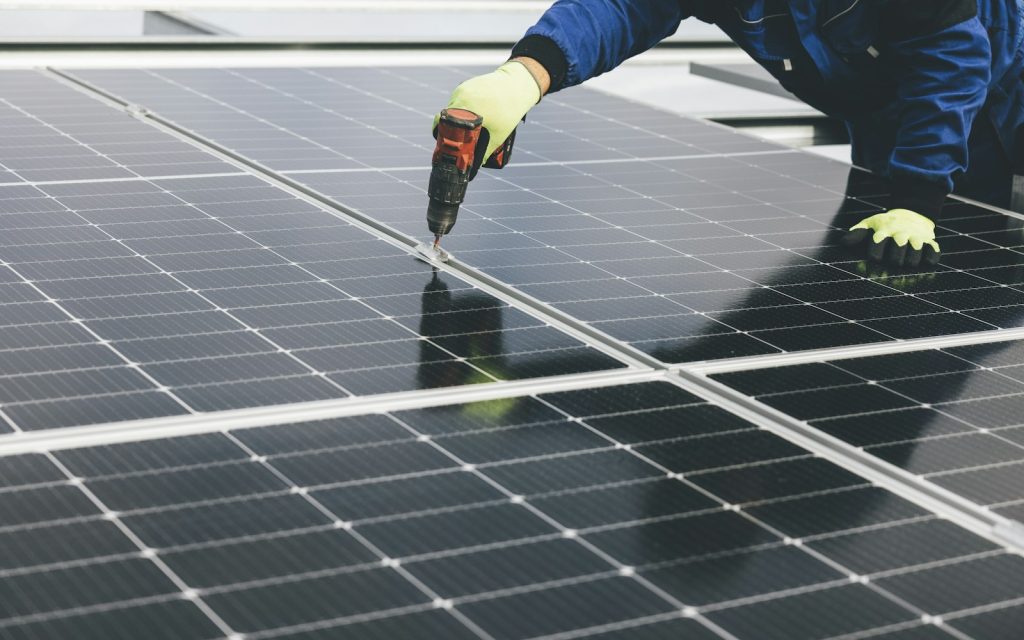
Solar was already competitive for many daytime loads. The fuel shock has widened the gap. Africa is on course to install a record 17 GW of solar in 2026, according to the energy think tank Ember, much of it on rooftops and at businesses rather than in utility-scale plants. Nigeria alone added around 800 MW in 2025, driven largely by rooftop and mini-grid systems. Battery imports into Africa, measured by value, have exceeded solar panel imports since 2024, a sign that storage is becoming standard.
Hardware is not getting much cheaper: panel prices broadly stopped falling in late 2024, and China’s removal of export tax rebates from April 2026 added to costs. The case now rests on avoided fuel spending and protection from price swings.
How to decide
- Start with a load audit. List what you run, when, and for how long. Daytime loads are the cheapest to move to solar.
- Size for your needs. A hybrid system with batteries can cover evening loads and short outages; keeping the generator as backup avoids oversizing.
- Compare total costs. Set the system cost against your annual fuel, maintenance and downtime costs at today’s prices, and test the result if fuel rises further.
- Buy quality. Use reputable installers, standard-compliant panels and inverters, and get written warranties.
- Plan maintenance. Cleaning panels and caring for batteries protect the investment.
Paying for it
Upfront cost remains the main barrier. Options include pay-as-you-go and lease-to-own arrangements from solar companies, equipment finance from banks expanding green credit lines for small businesses, and supplier credit. Records of fuel spending help make the case to a lender, because the savings repay the loan.
No business can control global oil markets. Generating its own power is one of the few ways to limit the damage when they turn.
Sources: Ember: Africa’s solar boom accelerates into 2026 · Mongabay: China’s solar exports hit record as Africa demand jumps · Gulf News: Africa’s solar explosion · Ecofin Agency: Hormuz supply shock pushes up fuel prices across Africa